How to clean a toilet from limescale, tartar, and rust
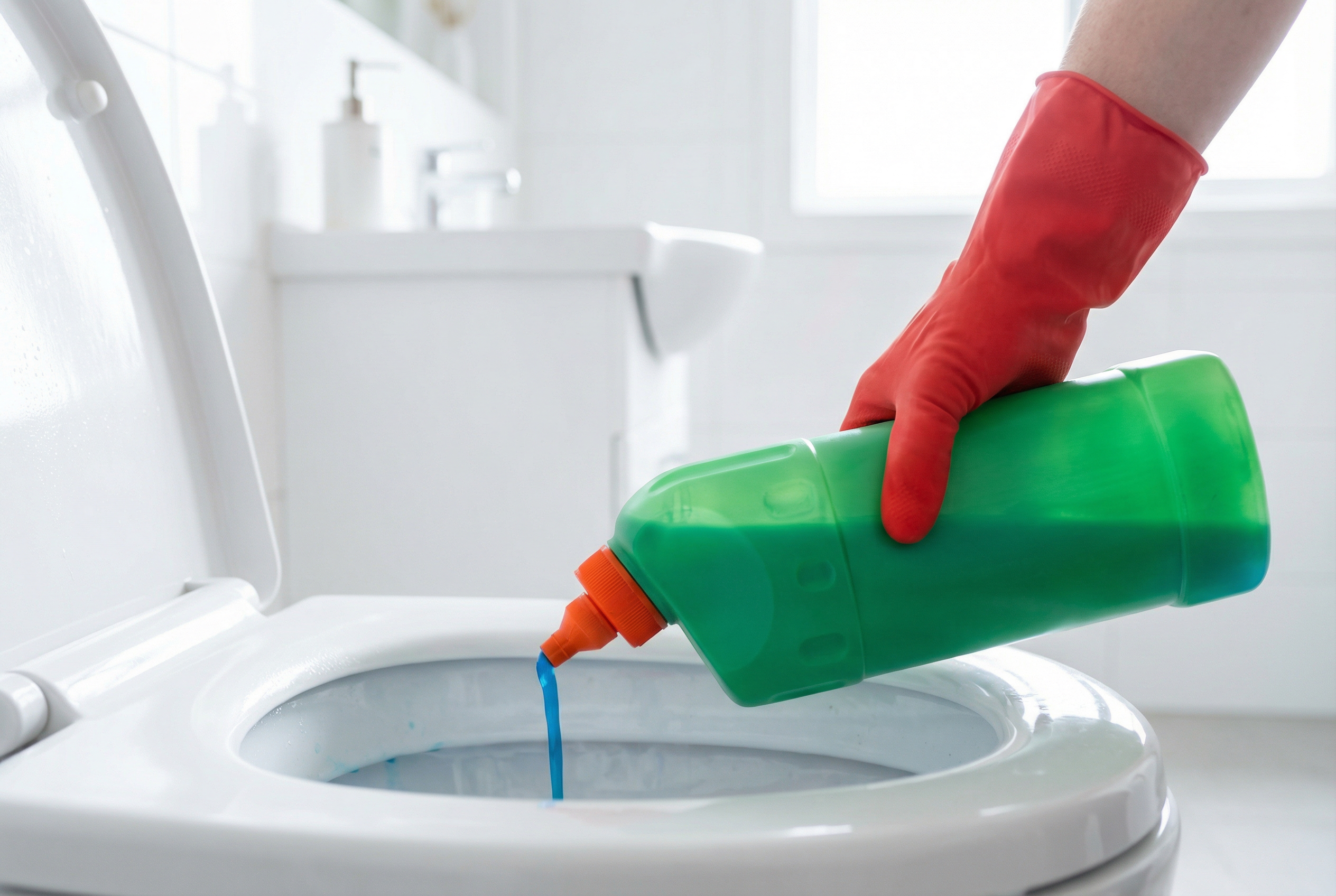
Even if you thoroughly clean your toilet every day, unpleasant scum and rust are inevitable. And don't blame yourself. We'll show you how to remove scum, rust, and limescale from your toilet, making it sparkle like new again. In our article, you'll find folk remedies and household products that make cleaning a toilet easy, learn how to properly care for it, and learn which material is best to choose.
Types of pollution
The most common cause of toilet clogs is hard water leaking from the cistern. It leaves rusty stains that become embedded in the surface and are difficult to remove.
The second type of contamination is limescale. Mineral particles remain on the walls, causing a hard, grayish deposit. Depending on how many of these particles are present in the water, the deposit will accumulate more quickly.
Urinary calculus is the third cause of stains on toilet bowl walls. The presence of minerals, or stones, in human urine also leaves traces resembling limescale.
There’s a suitable solution for every stain. We’ll tell you how to clean your toilet of rust, limescale, and tartar at home using household chemicals.
We describe folk methods (instructions)
There are many home remedies for cleaning plumbing fixtures that can help remove toilet clogs at home. We’ll share some of them.
Baking soda and vinegar. First, dampen the toilet bowl walls, then pour in a packet of baking soda. It will immediately stick to the damp walls. Using your hand, thoroughly coat the affected area with limescale and tartar. After half an hour, fill the bowl with vinegar and scrub the stained areas thoroughly with a brush. After the reaction between the vinegar and baking soda has finished, rinse the toilet several times with water.
Salt and vinegar can help remove urinary calculus from your toilet. To do this, heat a cup of 9% vinegar to 38–40°C. Add half a teaspoon of salt and stir well until dissolved. Spread the mixture over the walls of the toilet, thoroughly rubbing it into the affected areas. Leave the mixture for 12 hours (or overnight if possible), and remember to close the toilet lid. Then rinse off any remaining mixture with water and scrub with a brush.
Mustard powder mixture. Combine two tablespoons of mustard powder and crystalline citric acid in a bowl, then add four tablespoons of starch. Gradually add water to the dry mixture, stirring thoroughly until it forms a paste. Wet the toilet bowl walls first to ensure the mixture adheres to them. Rub the mixture into the stains and let it sit for 20–30 minutes. Then rinse with water, simultaneously scrubbing particularly dirty areas with a brush.
Vinegar and citric acid will remove limescale from your toilet. To do this, soak toilet paper thoroughly in vinegar and spread it over the stained areas. After a few hours, simply flush it with water, scrubbing thoroughly with a brush. If using citric acid, first dissolve it in boiling water, then soak the toilet paper in the same water and spread it over the walls of the toilet. Citric acid can be substituted for oxalic acid and used in the same way—it has a powder consistency, so you need to dissolve it in water first.
Orthophosphoric acid will remove rust stains from your toilet. Add 85% phosphoric acid to 500 ml of water and stir. Apply the mixture to the stains with a brush. Leave the mixture on until the rust dissolves—depending on the severity of the stain, this will take anywhere from 1 to 12 hours. Then flush and treat the toilet bowl walls with a baking soda solution (add 1 tablespoon of baking soda to 1 liter of water).
Coca-Cola. Yes, this drink is one of the best ways to clean rust stains from your toilet. It contains carbonic and phosphoric acids. Combined with the active bubbles, they quickly and effectively remove brown stains from the toilet bowl. Simply pour 1.5–2 liters of the drink evenly into the bowl, wait a couple of hours, and flush. If the stains are stubborn, scrub the affected areas with a brush.
Grass toilet bowl cleaners
Besides folk remedies, there are other solutions that can help clean your toilet effortlessly. For example, products from Grass. They have a safe formula and are easy to use.
Grass WC-gel Anti-Rust is an effective product that removes plaque and rust from your toilet. It simultaneously kills germs and eliminates unpleasant odors. Its gel formula allows for economical use, so one bottle lasts a long time. It’s easy to use: apply to the dirty surface and let it sit for a couple of minutes. Then scrub thoroughly with a brush and rinse with water. This cleaning product has several advantages: firstly, it’s odorless, and secondly, it creates a thin protective film on the toilet surface, preventing dirt from lingering for several days.
DOS GEL universal cleaning gel. This active chlorine-based product disinfects and whitens plumbing fixtures. It removes mold, bacteria, and mildew. Dilute it with water at a ratio of 1 liter of water to 80 ml of product and pour it into the toilet bowl. Let it sit for a while, then scrub thoroughly with a brush and rinse with water. Thanks to its thick consistency, the gel is economical to use.
Gloss Breeze Anti-Limescale Bath and Toilet Cleaning Gel. Apply evenly to the walls and under the rim using a sponge or brush. Unlike the previous two products, this gel only needs to be left on for 2–5 minutes, then rinsed off with water, scrubbing thoroughly with a brush. If any areas remain uncleaned after the first use, you can repeat the process.
How to keep your toilet clean
To easily clean your toilet, begin addressing stains early, before tartar and limescale have a chance to harden. Don’t forget to periodically perform cleaning procedures to maintain cleanliness and prevent brown stains. Clean your toilet daily, following these guidelines:
Remove water from the toilet bowl; you can do this with a narrow ladle with a long handle.
Treat the walls thoroughly with detergent, carefully wiping hard-to-reach places with a brush.
Leave the detergent on for a few minutes or hours, depending on the instructions. Then rinse it off with water several times.
Don’t forget to wipe down the areas under the toilet rim, the lid, and the floor where the toilet meets the tiles, as dirt can accumulate there too. To disinfect these areas, you can mix hydrogen peroxide with water in a 50:50 ratio.
Use tank tablets to prevent deposits from forming.
And follow some safety rules when cleaning the toilet with detergents to avoid harming your health and protecting the skin of your hands:
Always wear gloves when using the toilet, as the toilet is a breeding ground for germs and bacteria. Furthermore, cleaning products can damage the skin on your hands.
Cover your body with a plastic apron to prevent aggressive chemicals from getting on your clothes.
If the product has a strong odor, use a respirator mask and even protective goggles to avoid damaging your eyes and lungs.
The window or door to the bathroom should be open, even if you are working in a mask, because you may inhale toxic fumes without realizing it.
It is not recommended to use abrasives on sanitary ceramics, because the smooth surface becomes rough and plaque settles on it faster.
Choose a toilet that’s easier to maintain, such as porcelain. This material is smooth, making dirt and grime easier to remove. Ceramic sanitaryware has a rough surface, making it easier for plaque and tartar to settle on and difficult to remove.
Ceramics are sensitive to sudden temperature changes and can crack from very hot water.