How to clear clogged pipes at home
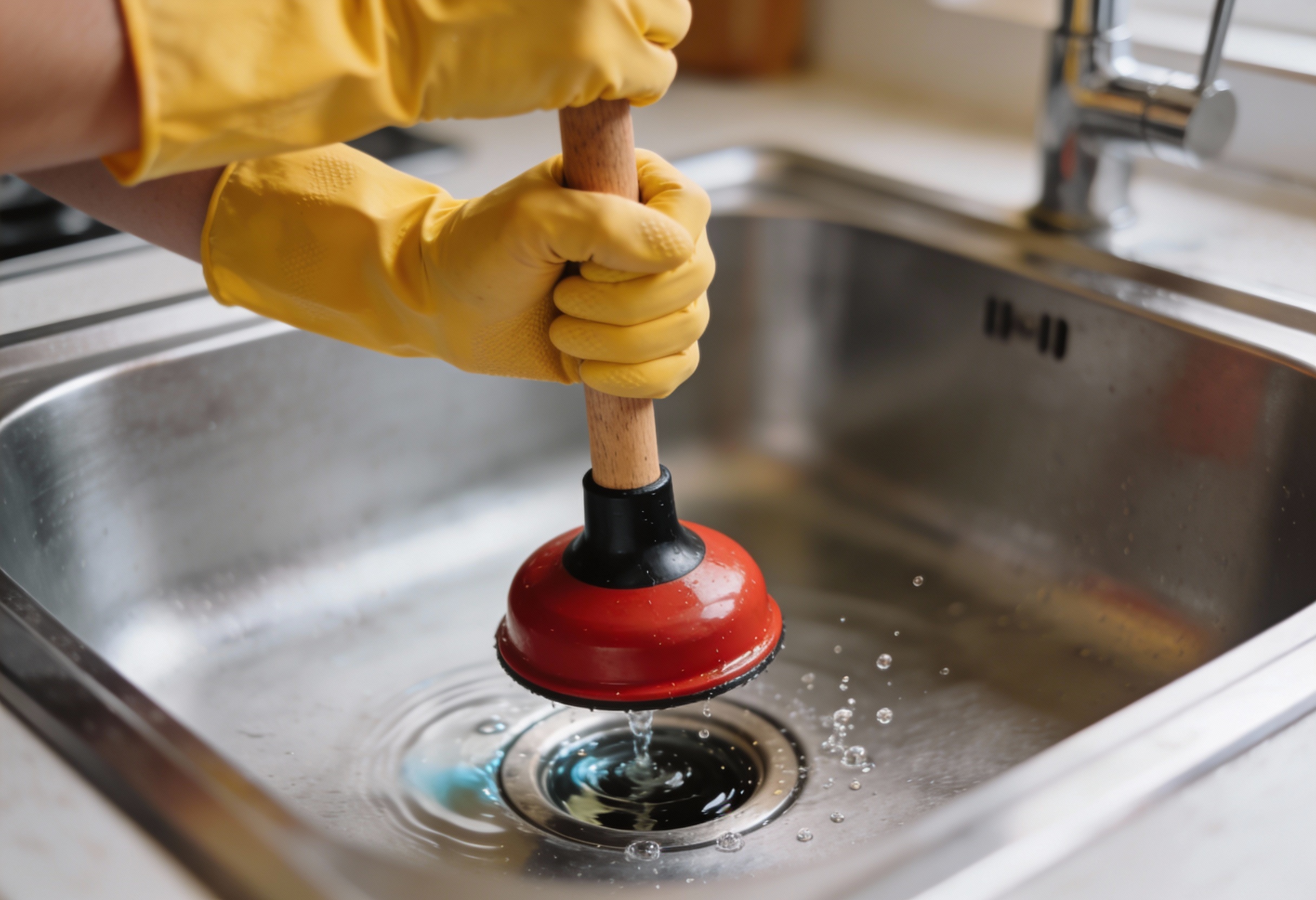
Clogged pipes are a problem faced by both those living in older homes and those moving into new buildings. The causes of clogs can vary, but the consequences are certainly devastating – from unpleasant odors to leaks and even flooding neighbors. In this article, we'll explain how to clear a clogged pipe and what to do to reduce the likelihood of clogs.
What causes blockages?
If water drains slowly, lingers in the sink for a while, and an unpleasant odor appears from the pipes, it's most often caused by a grease buildup. Grease buildup is soft and gelatinous on the inside, but on the outside, hard particles from the drain cling to it, whether sand, threads, food debris, or mineral compounds. Hair is a particularly noticeable cause of clogs—it attracts grease, trapping even the smallest particles. As a result, the drain becomes narrower, and water drains more slowly. Furthermore, the buildup in the pipe contains organic matter and can emit an unpleasant odor. Hard water, which causes limescale deposits, also exacerbates the problem, as does the introduction of objects that cause mechanical blockages—from toilet paper and cotton pads to bits of food and plastic fragments from packaging or toys. These can also include coffee grounds, foam, sand, and so on.
Errors in pipe installation can also lead to clogs—if they're too small in diameter, run at a steep angle, or have sharp bends, grease and other substances can accumulate quickly and be more difficult to flush out than with a more efficient design. Old pipes, especially cast iron ones, can exacerbate the problem further due to rust. A full trap is slightly easier to deal with, but it needs to be cleaned regularly.
Folk methods for cleaning pipes
Perhaps the simplest option is to heat water in a kettle or saucepan close to boiling and carefully pour it into the pipes. Alternatively, you can first sprinkle salt down the drain and let it soak for 20-30 minutes to dissolve the clog, then add water. However, this method can't be used with plastic pipes, which can withstand temperatures up to 70°C. If the clog prevents water from draining, the sink itself will absorb the heat, and the effect on the clog will be minimal. You can also use tap water, which is usually no hotter than 50-60°C, but then you'll need to maintain the flow for 10-20 minutes, which isn't very energy-efficient.
Baking soda and vinegar are another popular way to clear a clogged drain. Pour 200 grams (a packet) of baking soda down the drain, then add a glass of 9% vinegar (you can dilute the acid to the desired concentration). Plug the drain with a stopper to allow the reaction to occur inside—the resulting foam will dissolve the grease in the clog. After 15-30 minutes, open the drain and flush with hot water from the tap or warmed in a kettle or saucepan.
For more stubborn clogs, mix 50 grams of baking soda and 50 grams of washing soda and pour the mixture into the drain. Next, pour 150 ml each of 9% vinegar and chlorine (liquid chlorine bleach will work). Plug the drain to prevent odors from escaping into the kitchen and let it sit for half an hour. Afterward, flush the drain with hot water for about 30-40 minutes to remove both the remaining clog and the mixture.
Caustic soda (sodium hydroxide) is quite aggressive and requires careful handling. Before using it, it's best to wear a mask and gloves to protect your respiratory tract or hands, and open a window for ventilation. Place 250 g of caustic soda in a bucket or large pot and add 3 liters of hot water. Be careful, as the mixture will heat up, bubble, and foam as it dissolves. Pour it into the drain, plug it, and let it sit for 3 hours. Rinse with cold water. If the clog isn't completely clear, you can repeat the procedure. The second option is more labor-intensive and is suitable for more severe clogs. For this, use a more concentrated solution: 2-3 kg of caustic soda per 12 liters of water. Heat it to 70°C (158°F) to dissolve the powder. Pour half of the solution into the drain and let it sit for 2 hours. Then add the remaining solution and let it sit for another 2 hours. Flush the pipes with hot water.
You can use laundry detergent—just add 2 tablespoons and run warm running water for 5 minutes. Many recipes call for combinations of salt, baking soda, citric acid, boric acid, and acetic acid, even soda, aspirin, and Alka-Seltzer. These methods are suitable not only for clearing clogs but also for their prevention—these folk remedies help remove existing grease and limescale deposits from the walls of pipes before they significantly affect drainage speed and cause slow drains.
Special chemicals that will help clear clogged pipes
The recipes listed above essentially utilize the properties of acids and alkalis to dissolve fats, salts, and organic compounds. They work well, but preparing such mixtures isn't always convenient. Therefore, it's often much more effective and cost-effective to use products offered by household chemical manufacturers. For example, Grass, a professional household chemical brand, offers a wide selection of gels and sprays for plumbing cleaning that effectively remove limescale and organic matter from sinks, toilets, and pipes. Using them, you'll eliminate the risk of grease buildup or other blockages, remove rust and scale, prevent mold and mildew, restore shine to tiles and chrome, and kill germs.
DIGGER-GEL, an alkaline drain cleaner, dissolves grease, hair, and other substances, kills bacteria, and eliminates odors. Suitable for plastic and metal pipes, it doesn't damage their structure. For the desired effect, leave the gel in the drain for 2-3 hours.
Digger granules drain cleaner starts working almost instantly and clears clogs in 15 minutes. Conveniently packaged in 70-gram sachets, each sachet contains enough for a single use.
You can also complement your plumbing care with other Grass products that keep your fixtures clean and reduce the risk of clogs:
DOS-GEL universal cleaning gel - contains chlorine, disinfects perfectly, destroys 99.9% of microorganisms, can be used for bleaching laundry;
WC-GEL sanitary ware cleaner – specially designed for sanitary ceramics and tiles, kills germs, removes rust stains and limescale;
DOS-CLEAN universal cleaning agent - in spray form, can be used not only in the bathroom, but also for cleaning and disinfecting linoleum, polymer coatings, fabrics and other materials;
GLOSS bath and toilet cleaning gel – for removing limescale deposits from under the toilet rim, bathtub, or sink. Available in a variety of fragrances.
Radical cleaning methods
However, sometimes more serious measures are required. For example, if the blockage isn't near the drain, but somewhere further down the pipes, use a plumbing snake. To do this, remove the trap, insert the snake into the pipe, and use gentle twisting motions to push it deeper. If it doesn't go any further, you've detected a blockage—continue gently twisting the snake until it clears the obstruction. There may be multiple blockages, so it's best to use as much of the snake as possible. After this, remove the snake, clean the trap mechanically or rinse it in a container, replace it, and turn on the water to flush the pipes. Incidentally, removing the trap and then cleaning it is sometimes sufficient—the clog may be caused by accumulated dirt. For maximum effectiveness, after clearing the debris, it's advisable to rinse it under running water (in the bathroom if you're clearing a blockage in the kitchen, and vice versa) and additionally use drain cleaning gels or other products.
If the clog is close enough to the drain hole, you can use a plunger—the oscillating pressure helps loosen the clog from the pipe surface and remove it. A vacuum cleaner with a blower function works similarly—use the crevice tool and direct the air stream into the drain to dislodge the clog.
Conclusion
We hope this article was helpful and that you've found ways to clear and prevent clogs. It's important not only to remove the blockage but also to avoid damaging the pipes themselves. Therefore, when choosing a solution, it's important to follow the recommendations regarding water temperature and the composition of the solutions used. Better yet, use specialized products tailored to the specific needs of both the clog and the pipes. This will allow you to achieve the desired results without unnecessary effort or worry.