Like in a beauty salon: we clean upholstery and eliminate odors in the car
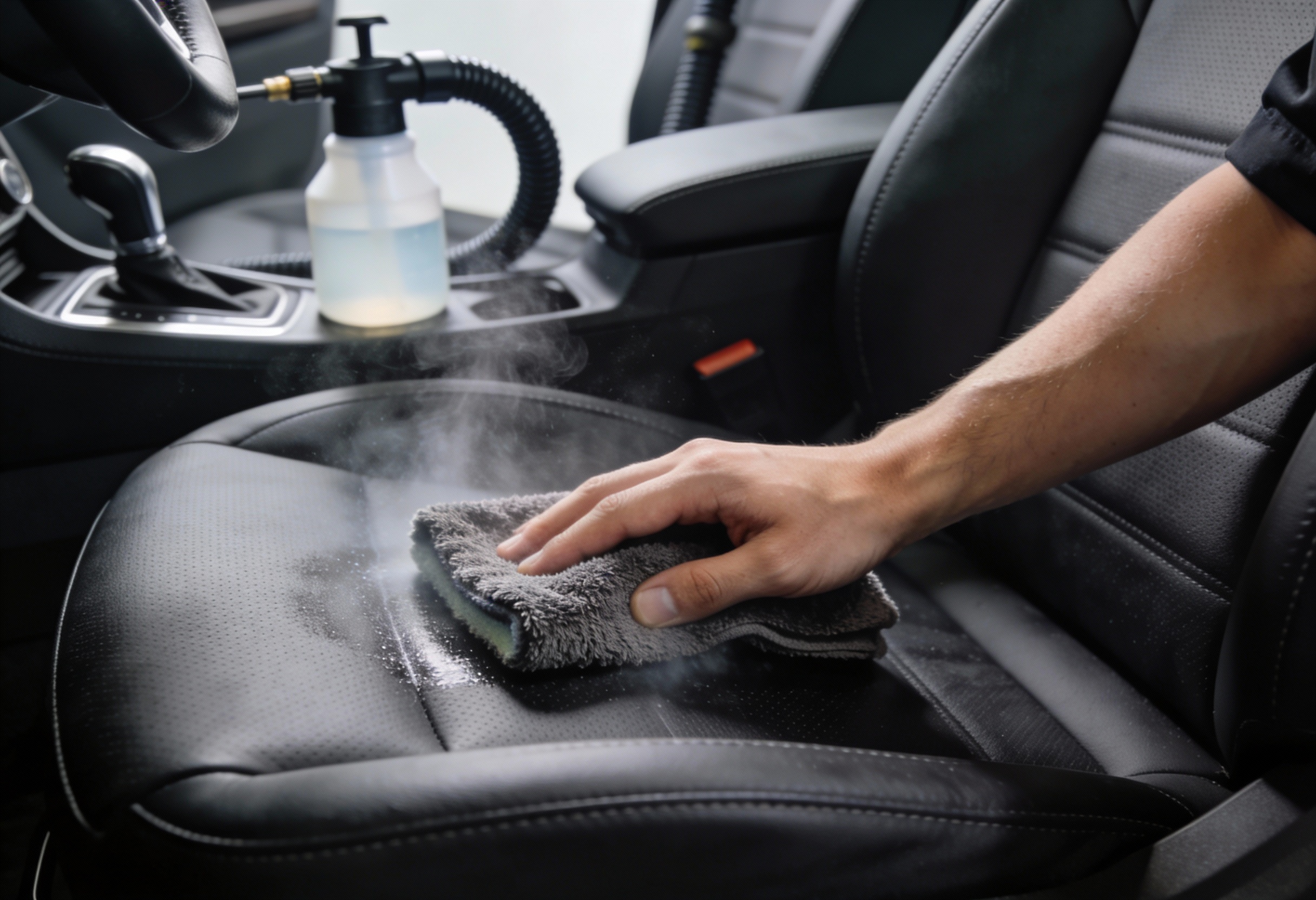
To paraphrase the proverb, it's safe to say: a car is judged by its cover, but seen off by its interior. Indeed, no matter how shiny its exterior, if the interior is dirty, smoky, or simply smells unpleasant, the owner's impression of the car will be poor. Fortunately, modern auto care products can help even in the most challenging cases.
A small tree can't cope alone
Eternal gratitude goes to Julius Saman, the Canadian chemist who invented car air fresheners nearly 70 years ago. However, his "little Christmas trees" can't completely eliminate unpleasant odors from car interiors. For example, cigarette odors, or every car owner's nightmare—spilled milk on the seat. Few people like the smell of mold or a clogged air conditioner, and even dog owners aren't prepared for their pet's scent to linger in the car.
You can try eliminating odors in your car's interior yourself using folk remedies: coffee beans, vinegar, baking soda, activated charcoal, ammonia, lunar calendars, voodoo dolls, etc. While some methods may help, they're not always convenient, time-consuming, not very effective, and can often cause more harm.
It is better to use professional auto chemicals, which are simply sprayed onto the surface and block the unpleasant odor.
In addition, she:
safe for people and animals,
does not cause allergies,
easy to use and affordable.
To completely eliminate odors, use a combination of dry cleaning and ozonation, and change the cabin air filters regularly. Milk or air conditioner odors are difficult to remove otherwise, but by removing the source of air pollution, you can keep your car smelling fresh for a long time.
Tricks with paintwork
High-quality auto care products will also help care for your leather car interior. Leather is a delicate material—the sun dries it out, and freezing temperatures can cause it to crack. It also doesn't tolerate UV rays, temperature fluctuations, or excessive humidity or dryness. Furthermore, paint stains from clothing can remain on leather upholstery, and if left untreated, they can be difficult to remove.
The best way to avoid stains from clothing or dyes is to prevent them. Treat your leather with specialized balms before problems arise, and it will save you a lot of time and money down the road. Don't overdo it. Once or twice during the summer, less often in the winter.
Regular use of professional auto chemicals protects leather interiors from damage for a long time.
If contamination does occur, follow these steps:
Remove surface dirt with a damp microfiber cloth. Don't forget about cracks and joints.
Apply the product to a soft brush or microfiber and work in circular motions without applying much pressure.
Wipe the cleaned surface with a damp cloth to remove any remaining product and let it dry.
We add shine to already dry leather using conditioner, which we apply with a cloth:
As with any cleaner , test it on the surface first to see how it affects it.
And point by point, so as not to get confused:
Unpleasant odors in the car's interior are unpleasant, but they can be eliminated with car care products. And if you use ozonation, you'll also kill a bunch of harmful microbes.
Regular leather upholstery care is the best way to prevent stains and other damage. But if you can't avoid them, cleaner and conditioner will help.
Folk remedies are good for treating mild colds: raspberry tea, for example. For a high-quality car cleaning, it's best to use professional auto chemicals.
As you can see, you can eliminate unpleasant odors in your car and clean the interior yourself, and regular upholstery care will save you unnecessary expenses. Yes, it's a bit of extra hassle, but you'll agree that a leather interior looks very impressive and deserves extra care.